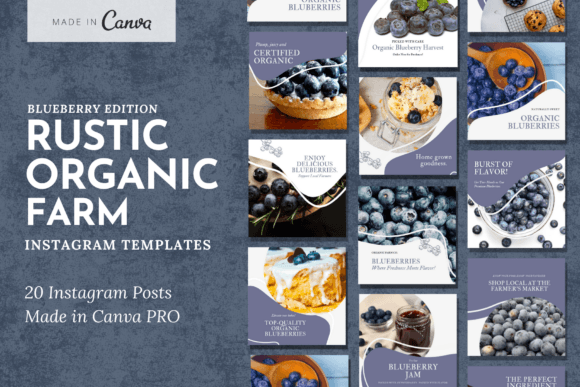
Transform Your Feed with Social Media Stories Templates
In the fast-paced world of Instagram, TikTok, and Facebook, you have roughly three seconds to stop a user from swiping past your content. That is the stark reality of modern digital marketing. While high-quality photography is essential, the text overlay is often the deciding factor between a user watching your story or bouncing to the next. This is where the concept of Social Media Stories Templates becomes not just a convenience, but a strategic necessity for maintaining a competitive edge.
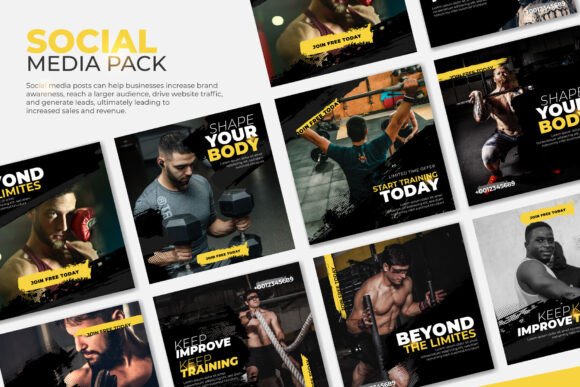
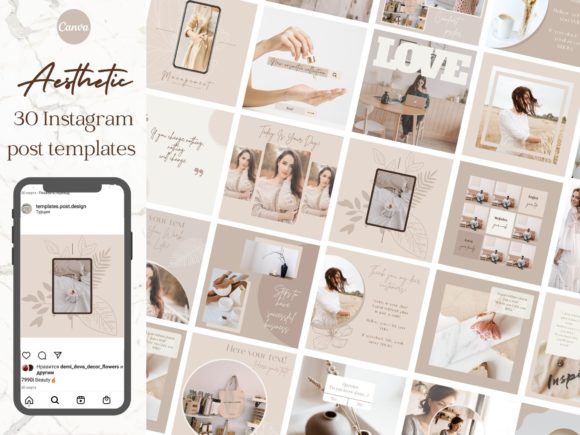
When we talk about these templates, we are discussing more than just pre-made boxes for text. We are talking about a comprehensive visual language. The best Social Media Stories Templates are designed with a specific personality—often bold, modern, and structured to guide the eye. They provide a consistent "grid" for your content. Whether you are a fitness instructor posting a daily workout, a fashion brand announcing a flash sale, or a blogger sharing a recipe, these templates provide the skeleton upon which your brand personality is built. The visual appeal lies in their versatility; they can range from minimalist layouts with clean sans-serif typography to vibrant, collage-style arrangements that feel energetic and youthful.
Visual Hierarchy and Brand Consistency
One of the most significant challenges for content creators and small business owners is consistency. When you are managing a business, designing every story from scratch is unsustainable. Social Media Stories Templates solve this by enforcing a rigid visual hierarchy. A well-designed template dictates where the headline sits, how large the subtext should be, and where the call-to-action button belongs.
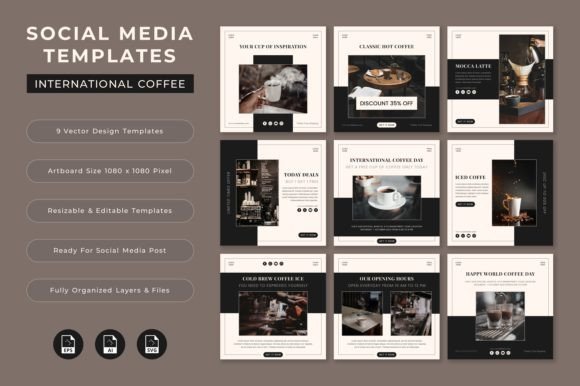
This structure directly influences readability. For example, a template that utilizes a bold display font for headers paired with a legible sans serif font for body text ensures that your message is understood instantly. In the context of web design and mobile interfaces, contrast is king. If your background image is busy, the template should include a semi-transparent overlay or a solid text box to ensure the words pop. This isn't just about aesthetics; it’s about accessibility. If your audience has to squint to read your sale price or event details, you have lost the conversion.
Furthermore, using templates helps cement your brand identity. When a follower sees a specific color palette or layout structure, they should immediately recognize it as yours, even before reading the text. This recognition builds trust. Over time, your audience associates that specific visual style with the value you provide, whether that is entertainment, education, or inspiration.
Strategic Applications Across Industries
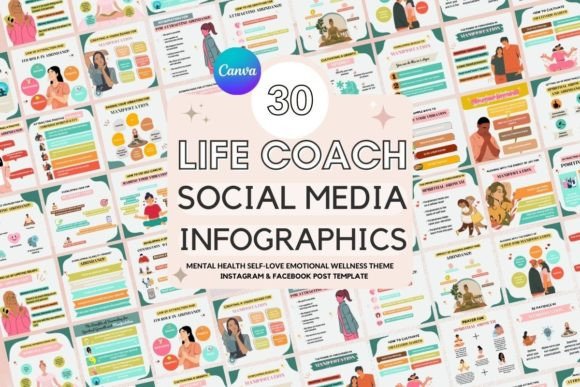
The utility of Social Media Stories Templates extends far beyond simple text overlays. They serve as versatile design assets for a variety of professional needs. For the entrepreneur launching a new product, templates can be used to create a "countdown" series, building anticipation with a cohesive look. For the publisher or blogger, templates are perfect for breaking down long-form content into bite-sized, digestible slides. Instead of posting a link to a 2,000-word article, you can summarize the key points in five story slides, driving traffic back to your website without relying solely on the "link in bio."
Consider the realm of packaging design and physical products. A crafter or small business owner selling handmade goods can use story templates to showcase the texture, detail, and scale of their products. By using a consistent frame or border in the template, the product remains the hero, while the text provides necessary context without cluttering the image. This approach mimics the principles of editorial design, where the interplay of image and white space creates a premium feel.
Moreover, templates are invaluable for social media graphics that require frequent updates. Think of a weekly schedule for a gym, a "Happy Hour" menu for a restaurant, or a "Quote of the Day" for a motivational coach. Instead of wrestling with alignment and font sizes every single day, you simply swap out the content. This workflow efficiency allows creators to focus on the message rather than the mechanics of layout.
Elevating Aesthetics with Typography
While the layout provides the structure, the typography provides the soul. The choice of font within your Social Media Stories Templates can drastically alter the perception of your brand. A script font or handwritten font might convey warmth, intimacy, and creativity—ideal for wedding planners, artists, or lifestyle influencers. Conversely, a geometric, modern typography style suggests efficiency, technology, and forward-thinking, making it suitable for SaaS companies or urban real estate agents.
It is crucial to treat the text in these templates as a creative font choice, not an afterthought. If you are using a premium font in your logo, try to incorporate a complementary weight or style of that same typeface into your story templates. This creates a seamless transition from your static profile picture to your dynamic stories. If your primary brand font is a heavy serif, perhaps use a light sans serif font for the body text in your stories to maintain balance and ensure mobile readability.
When evaluating templates, pay close attention to the typography included. Does the template offer different styles? Does it allow for flexibility with kerning and leading? A rigid template that looks great with five words might fall apart if you need to write a full sentence. Good templates anticipate these variations and offer modular text areas that adapt to the amount of content.
Practical Guidance for Choosing and Using Templates
Selecting the right Social Media Stories Templates requires a critical eye. Do not simply choose a pack because it looks trendy on the preview slide. Download a sample or zoom in to evaluate the details. Look at the alignment of the elements. Are the margins consistent? Is the visual weight distributed evenly? These subtle cues separate amateur designs from professional design assets.
Here are practical steps for implementation:
- Evaluate Project Fit: Consider your primary content type. If you are a photographer, you need templates that prioritize large image frames with minimal text interference. If you are a data-driven marketer, you need templates that can accommodate charts, bullet points, and statistics.
- Test Font Pairings: Before committing to a template pack, mock up a few of your own headlines in the designated font areas. Ensure the font pairing works with your specific vocabulary. Sometimes, a font looks great in the alphabet preview but becomes illegible when used for actual marketing copy.
- Review Commercial Licensing: This is a non-negotiable for professionals. Ensure that the templates—and specifically the fonts embedded within them—come with a commercial font license that covers your intended use. If you are using these for client work, you need to ensure the license extends to end-products. Never assume a "free" download is free for commercial use.
- Check for Versatility: The best template packs include variations. Look for "swipe up" variations, "link in bio" prompts, and "Q&A" layouts. This variety keeps your content fresh while maintaining the underlying brand identity.
Ultimately, Social Media Stories Templates are a tool for amplification. They do not replace the need for good content, but they ensure that good content is presented in a way that commands attention. By investing in high-quality templates and understanding the principles of web design