Organize Your Finances with Editable Budget Planner Templates
Managing personal or business finances can often feel overwhelming, but with the right tools, you can transform this necessary task into a structured, even creative, part of your routine. Editable budget planner templates offer a flexible solution, allowing you to track income, expenses, and savings goals in a format that works exactly the way you think. Unlike static, one-size-fits-all printable planners, these digital templates empower you to tailor every element to your specific needs, whether you're a freelancer tracking project costs, a small business owner managing cash flow, or an individual planning a household budget.
What Makes These Templates Different?
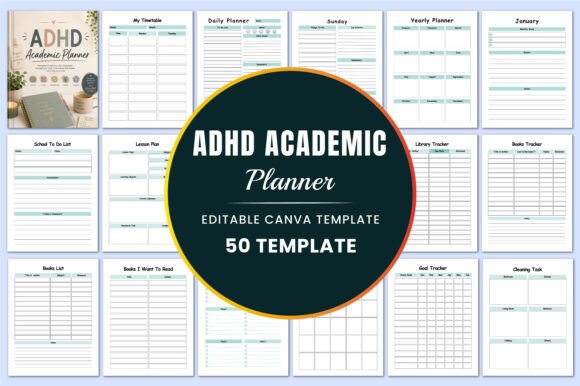
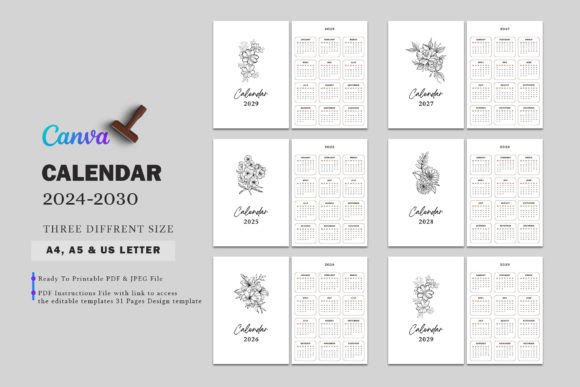
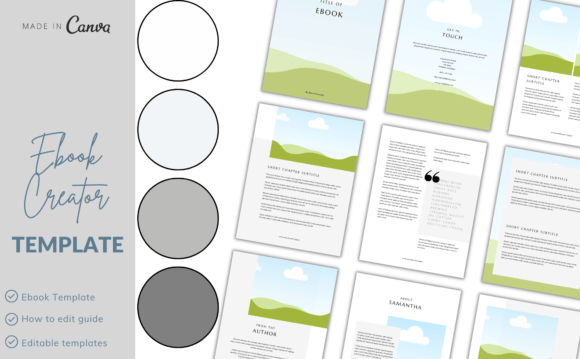
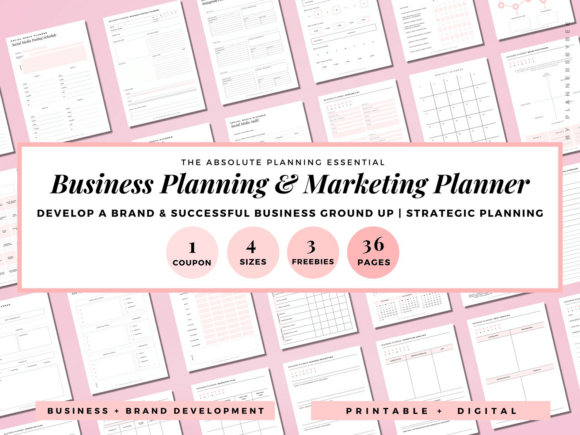
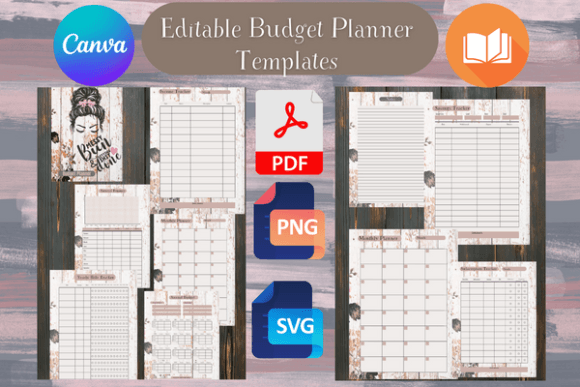
An editable budget planner template is more than just a pre-made chart. It's a dynamic design asset, typically provided in formats like PNG and PDF, alongside a link to a fully customizable version in a platform like Canva. This approach gives you the best of both worlds: the convenience of a ready-to-use structure and the complete creative control of a design file. The visual style is intentionally clean and organized, using clear typographic hierarchy to separate sections, making it easy to scan and understand your financial data at a glance. The overall appeal lies in its blend of practicality and personalization—you're not just filling in numbers; you're engaging with a tool that can be styled to match your personal brand or aesthetic preference.
One particularly engaging variation is the "Messy Bun" themed budget planner. This theme incorporates a casual, relatable, and slightly whimsical aesthetic, often using hand-drawn elements, soft color palettes, and a friendly, approachable script or handwritten font. It’s designed to make the often-stressful topic of budgeting feel more accessible and less rigid. The personality of this theme is perfect for content creators, bloggers, and hobbyists who want their planning tools to reflect a creative and down-to-earth vibe. It demonstrates how a functional tool can also be a form of self-expression.
Practical Applications Across Projects
The true value of these editable templates shines in their versatility. For entrepreneurs and small business owners, a customized budget planner can be integrated into brand operations, ensuring consistency in financial reporting and internal documentation. You can adjust colors to match your brand identity, swap fonts to align with your other marketing materials, and add your logo for a professional touch. This creates a cohesive look across all business assets, from social media graphics to client invoices.
For designers and creative professionals, these templates serve as an excellent starting point for client projects. Instead of building a financial planning document from scratch, you can quickly adapt a well-structured template, saving valuable time while delivering a polished, customized product. The ability to change every visual element—backgrounds, graphics, and effects—means the final deliverable feels entirely original. Similarly, marketers and publishers can use budget planners as lead magnets or digital products, offering them to their audience as valuable freebies. An editable file format ensures the recipient has a superior experience, able to make the planner their own.
Choosing and Customizing Your Template
When selecting an editable budget planner, consider the scope of your financial tracking. Do you need a simple monthly overview, or a detailed breakdown with categories for groceries, utilities, subscriptions, and business expenses? Look for templates that include the page layouts you need, such as expense trackers, savings goal sheets, and monthly summary pages.
The customization process is where you bring the planner to life. Here’s a practical approach:
- Evaluate the Base Design: Start with a template whose layout and default style are close to your vision. It’s easier to tweak colors and fonts than to completely restructure the information architecture.
- Align with Your Brand or Style: Use your brand’s color codes and preferred typefaces. For personal use, choose fonts that are highly readable for data entry—a clean sans serif font for numbers is often wise, paired with a display font or handwritten font for headings if you want personality.
- Test for Readability: After customizing, print a test page or view it on different devices. Ensure the text is legible, especially the numerical data. Adjust line spacing or font size if needed.
- Consider the Medium: If you plan to use it digitally on a tablet, a PDF with fillable fields might be ideal. For printing, ensure the resolution and margins are set correctly for your paper size (templates often standardize at 8.5 x 11 inches).
A key requirement for accessing these templates is a free Canva account. This platform provides an intuitive, drag-and-drop interface that makes customization accessible even to those without advanced design skills. You can change the size of elements, experiment with different background images, add graphic flourishes, and apply effects—all within a few clicks. This level of control transforms a static document into a living tool that evolves with your financial goals.
The Impact of a Well-Designed Financial Tool
Using a thoughtfully designed and personalized budget planner can have a tangible impact on your financial management. A clear visual hierarchy guides your eye to the most important information, reducing errors and saving time. A consistent professional presentation reinforces seriousness and commitment to your financial plan, whether it’s for personal savings or business growth. The act of customizing the planner itself can increase engagement and ownership of your financial journey, making you more likely to use it consistently.
Ultimately, editable budget planner templates bridge the gap between functionality and design. They provide a structured foundation for the critical task of financial planning while offering the creative freedom to make that tool uniquely yours. By investing a little time in customization, you create more than a spreadsheet—you create a personalized system that supports clarity, consistency, and control over your finances.